Can LLMs model real-world systems in TLA+?
LLMs can generate syntactically correct TLA+ formal specifications but systematically fail to accurately model real-world system implementations, averaging only 46% conformance and 41% invariant satisfaction compared to near-perfect syntax scores. The core issue is that LLMs recite textbook formalizations rather than faithfully capturing actual implementation details, creating specs that either permit impossible system states or omit reachable ones. For IT organizations, this reveals a critical gap: AI-assisted formal verification cannot yet be trusted for mission-critical distributed systems without human expert validation, requiring careful integration into development workflows rather than autonomous adoption.
Hacker News3 min read
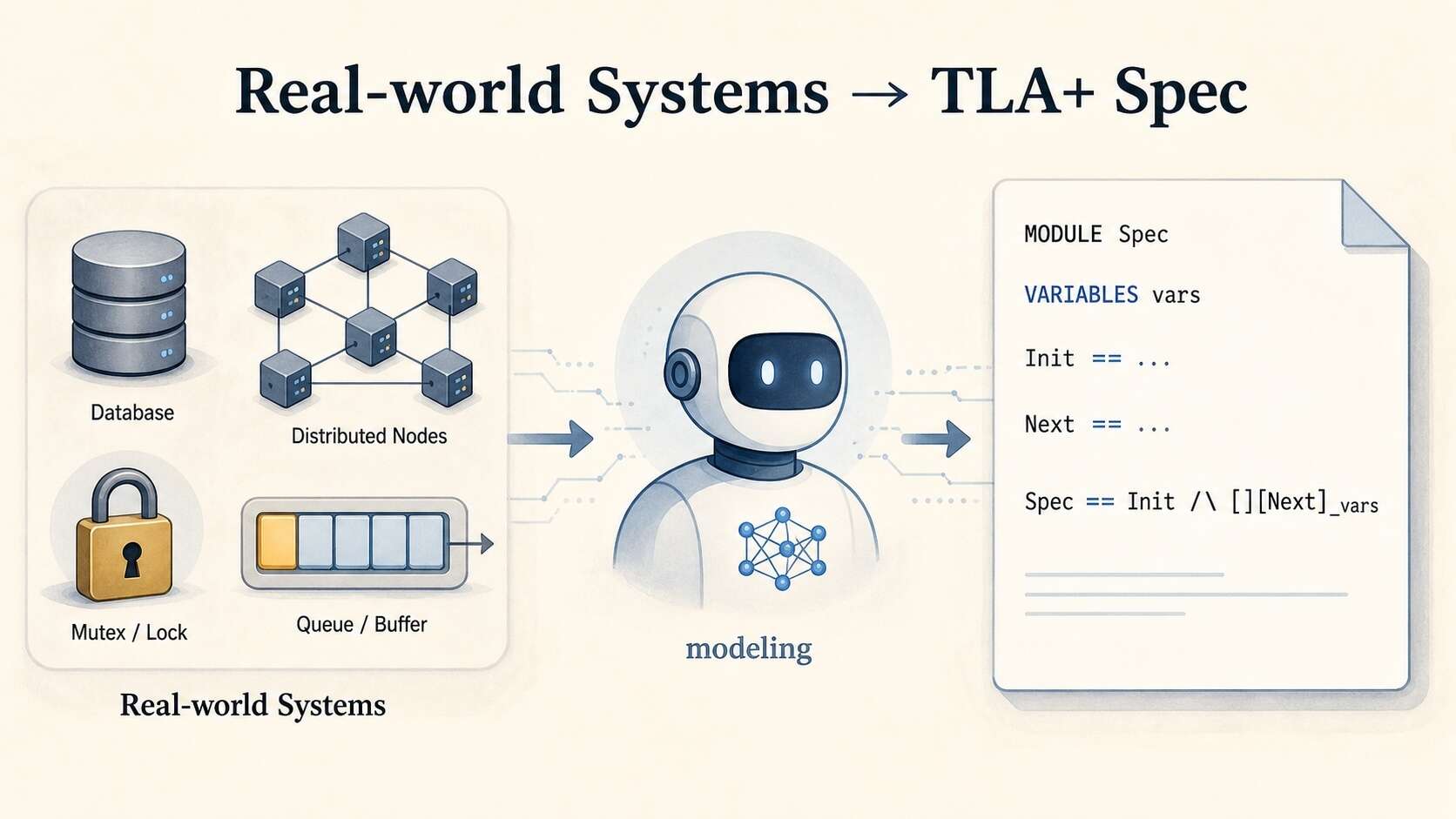
LLMs can generate syntactically correct TLA+ formal specifications but systematically fail to accurately model real-world system implementations, averaging only 46% conformance and 41% invariant satisfaction compared to near-perfect syntax scores. The core issue is that LLMs recite textbook formalizations rather than faithfully capturing actual implementation details, creating specs that either permit impossible system states or omit reachable ones. For IT organizations, this reveals a critical gap: AI-assisted formal verification cannot yet be trusted for mission-critical distributed systems without human expert validation, requiring careful integration into development workflows rather than autonomous adoption.