What's a Block, and How Big Can It Get? (7 minute read)
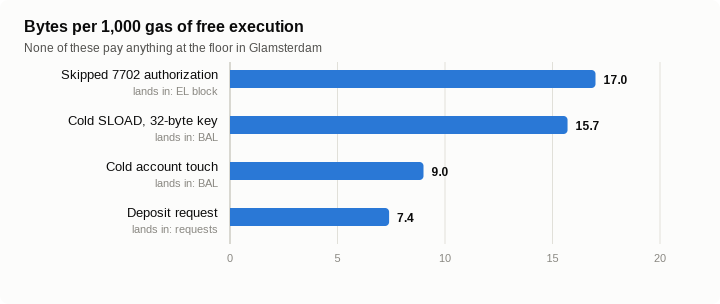
This article shows that Ethereum block size is becoming a first-class operational constraint, not just a byproduct of gas usage: under proposed rules, blocks can hit byte-size limits before they hit the gas limit, and the largest blocks may come from “free-riding” data patterns like zero-byte calldata and skipped authorizations. For CIOs and technology leaders, the strategic implication is that protocol and fee-model changes can materially affect network throughput, validator/client requirements, and denial-of-service risk, so IT teams building on or integrating with Ethereum need to assume that “fits in gas” does not always mean “fits in the block.”
Newsletters1 min read2 views