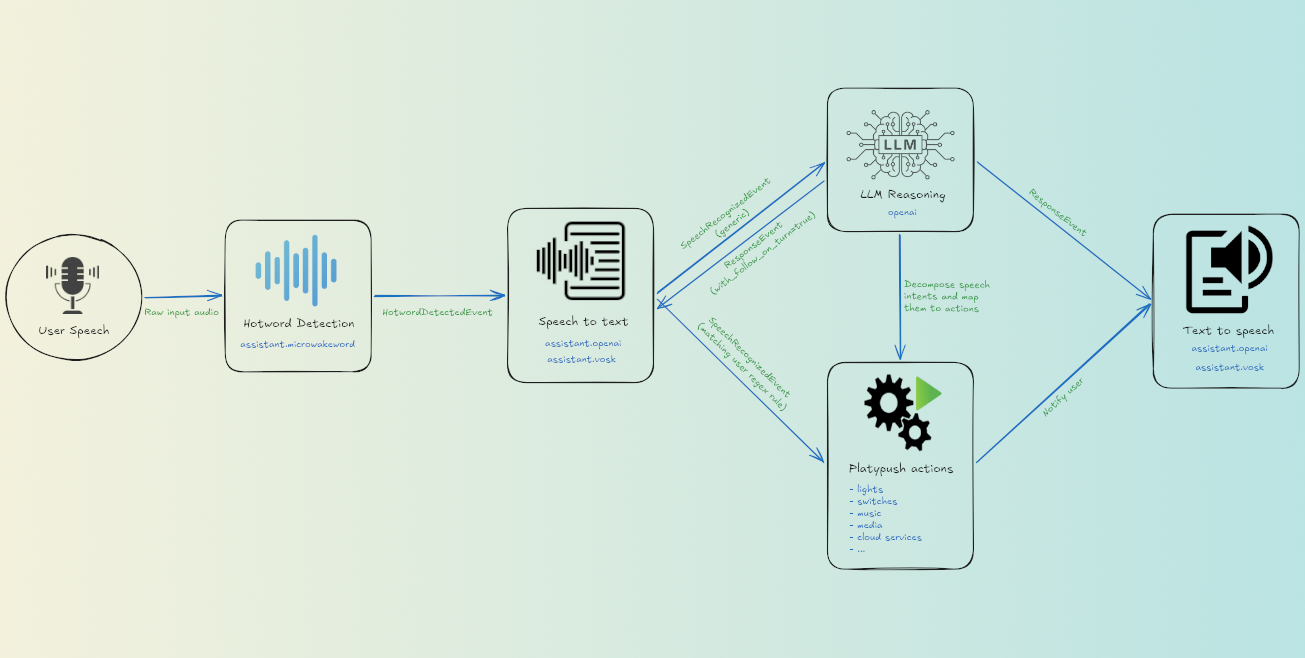
Rebuilding my local voice assistant pipeline
This article highlights a practical shift in voice-assistant architecture: replacing weaker wake-word detection and brittle speech segmentation with actively maintained models and smarter VAD logic to reduce false triggers, improve reliability in noisy environments, and make local assistants feel more enterprise-grade. For CIOs and technology leaders, the strategic takeaway is that user experience and operational trust depend on continuously modernizing foundational AI components; even in self-hosted systems, selective use of cloud services can materially improve accuracy and adoption while preserving local control where it matters.
Hacker News3 min read1 views