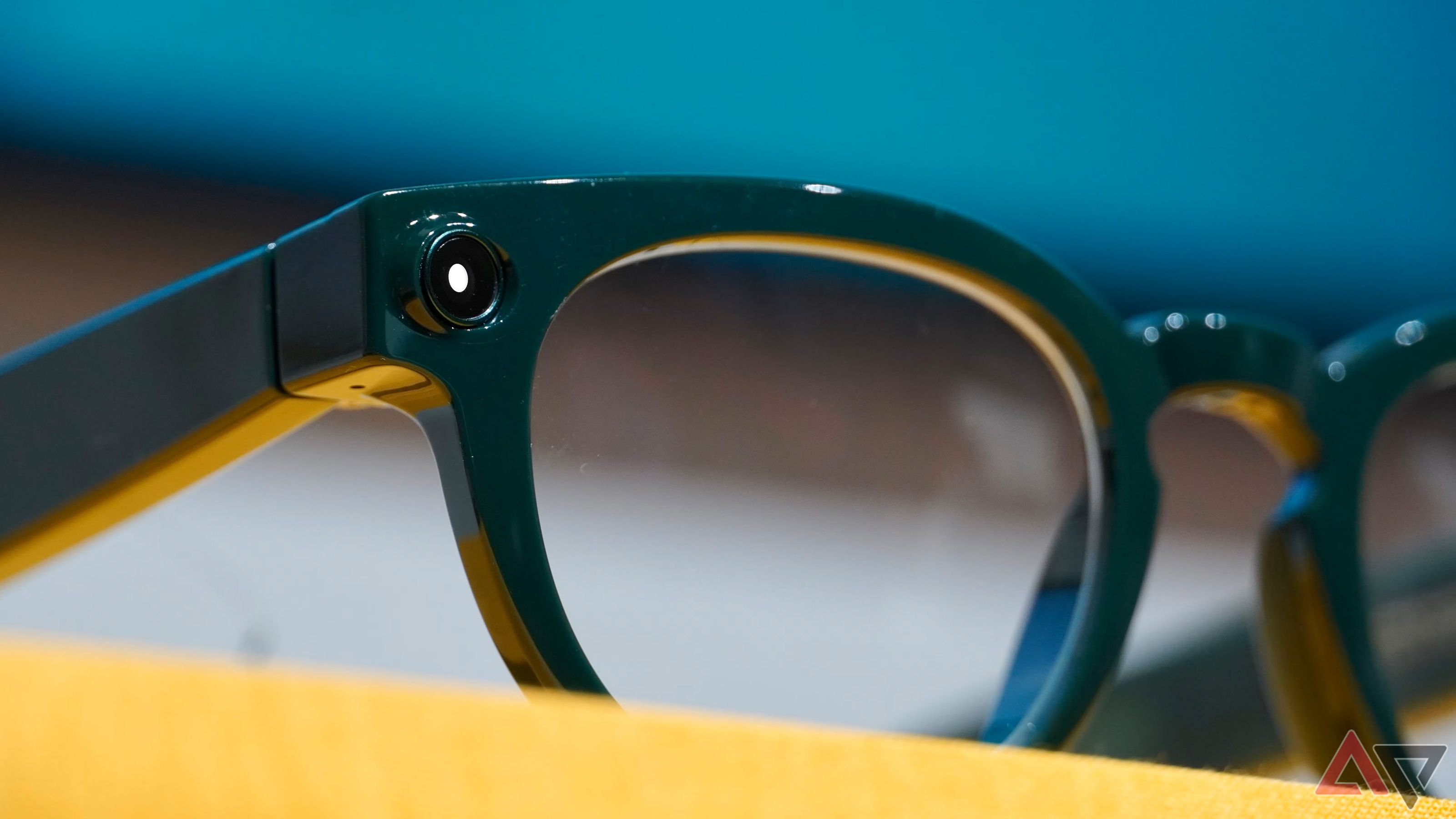
Google's Android XR smart glasses will hide faces from Gemini and ban real-time facial recognition
Google is positioning Android XR smart glasses as an enterprise-viable wearable by baking in privacy controls that blur bystanders’ and the wearer’s faces before Gemini processing, exclude captured media from history and AI training, and block third-party apps from real-time facial recognition or live streaming. For CIOs and technology leaders, this signals a more governed path for AI-enabled wearables in the workplace, but it also highlights the need to update policies around privacy, acceptable use, data handling, and workforce deployment of camera-equipped devices. Organizations evaluating XR should view Google’s controls as a baseline, not a complete solution, and plan for compliance, security review, and employee training before adoption.