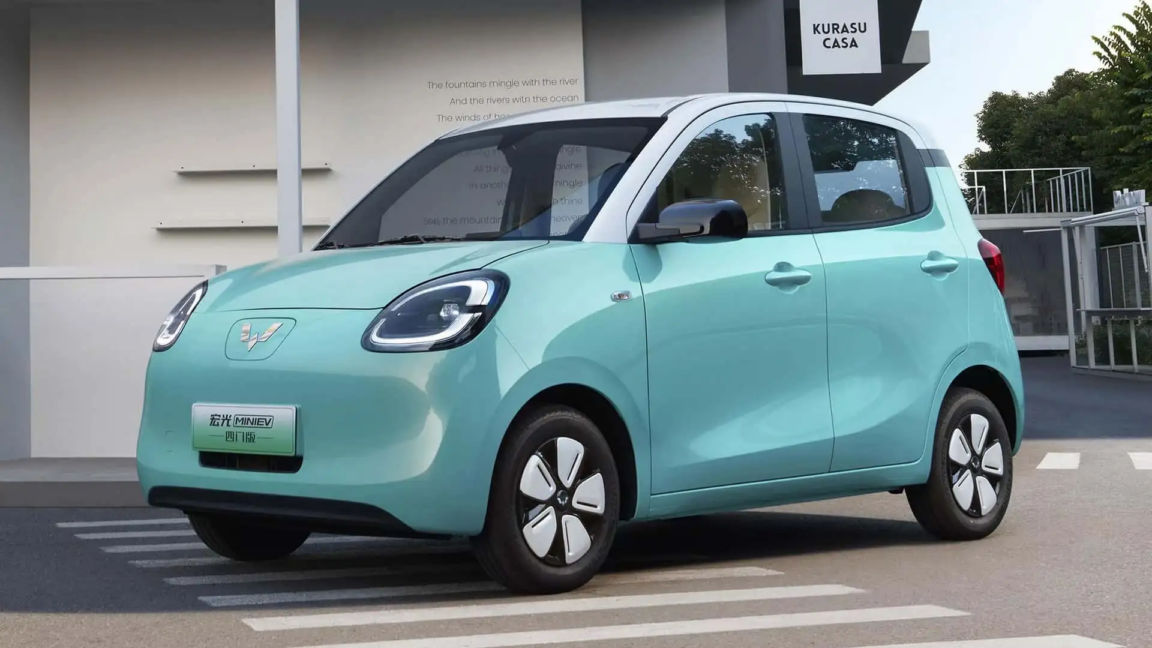
There's a lot of hype about Chinese EVs—is any of it true?
Chinese electric vehicles represent a genuine competitive threat to Western automakers, combining lower manufacturing costs, government subsidies, and advanced technology that could disrupt the $50 billion+ U.S. auto market—yet tariffs and regulations currently shield domestic manufacturers from direct competition. For IT leaders, this signals broader supply chain vulnerabilities, data security risks from connected vehicle platforms, and the need to understand how geopolitical restrictions may reshape enterprise mobility strategies and automotive software ecosystems. The competitive gap is real: Chinese OEMs can produce vehicles at a fraction of U.S. costs while innovating faster, which will accelerate digital transformation demands across manufacturing, supply chain, and customer-facing technologies.
The Beijing Auto Show is currently taking place in China, offering those of us behind the Trump tariff curtain a peek at what's increasingly being dubbed the world's most advanced car market. Chinese EVs leave everyone else in the dust, we're told, with infotainment that makes your smartphone look like a StarTac, range numbers that would make a turbodiesel Audi weep, and charging that might be even faster than filling up with gas, depending on the size of your tank. As an American, I mostly have to take someone else's word for that. If there's one thing Democratic politicians can agree on with Republicans, even now, it's that they don't want cars from Chinese automakers on US roads. Toward the end of his administration, President Joe Biden levied a 100 percent tariff on Chinese EVs. Under the Biden and then Trump administrations, Congress passed a law restricting the sale of Chinese-linked connected car software in the US. President Trump has added further tariffs to Chinese imports, making their cars even less competitive here. And just this week, more than 70 Democratic representatives called for maintaining barriers to Chinese cars for both national security and economic reasons. This puts those elected officials increasingly out of step with popular sentiment on the Internet (I'm using the Ars comments and social media platform Bluesky as my bellwethers). From what I can see, there's strong appetite for those sweet, cheap Chinese electric vehicles. Headlines like Reuters' claim that "[f]or the average price of a car in the US, you could buy 5 new Chinese EVs" only reinforce that sentiment.Read full article Comments