CriticalSecurity & Privacy
Supreme Court considering legality of smartphone location ‘dragnets’
The Supreme Court is deliberating on the legality of geofence warrants that allow law enforcement to obtain location data on potentially thousands of innocent citizens during criminal investigations, raising significant Fourth Amendment and privacy concerns. A ruling could substantially impact how technology companies manage user data requests, their liability exposure, and customer trust—potentially requiring organizations to implement new data governance policies and warrant response procedures. IT leaders must prepare for either stricter compliance requirements around location data handling or potential regulatory uncertainty if the court declines to rule, while also addressing employee and customer privacy expectations.
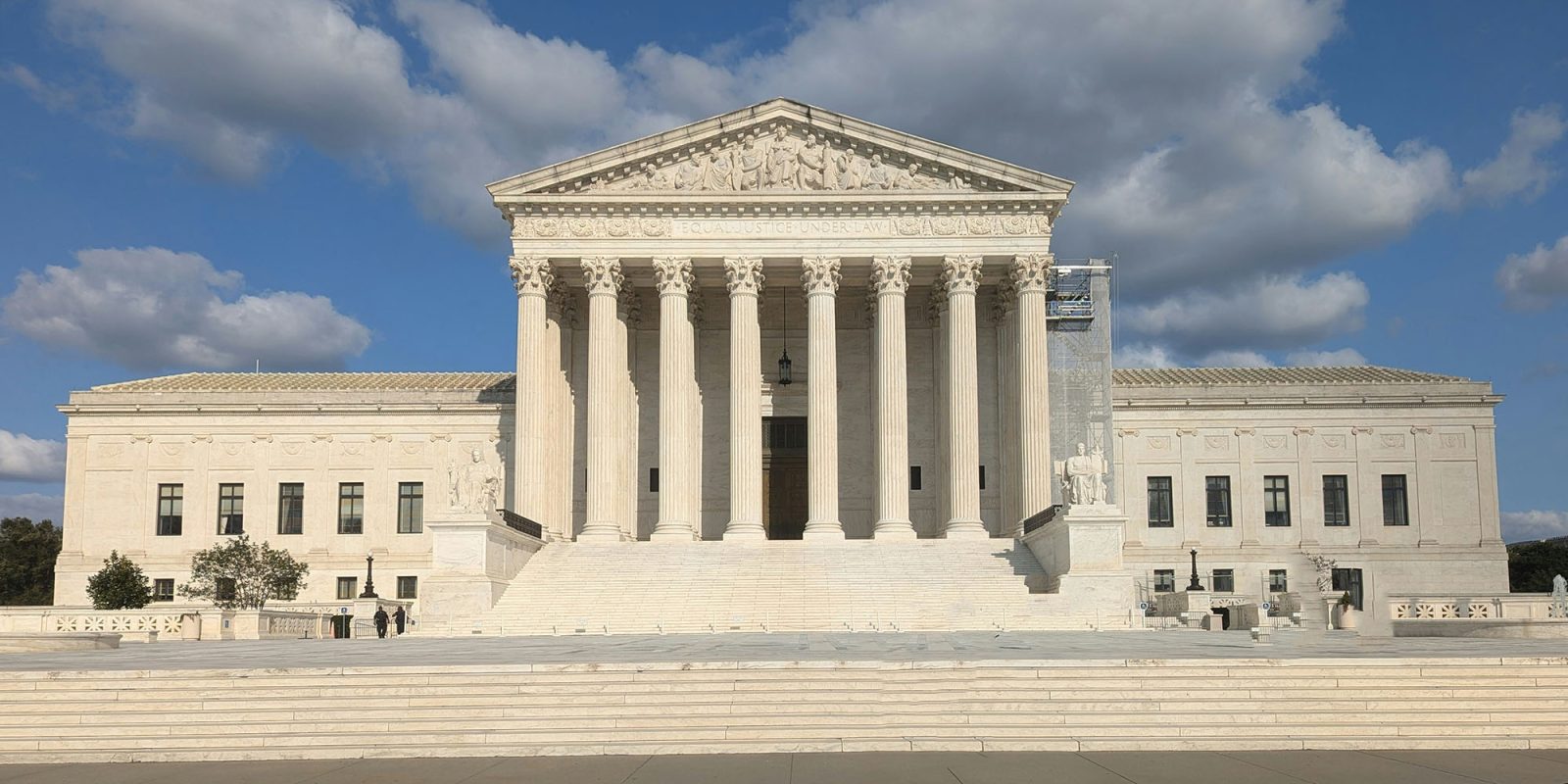
The US Supreme Court is hearing arguments about the legality of so-called geofence warrants, sometimes also referred to as “digital dragnets” because they capture the location data of a great many innocent citizens in addition to criminal suspects. In a practice raising obvious privacy concerns, tech giants are increasingly being asked by law enforcement to identify all of the smartphone users present at a particular location at the time a crime was committed … more…