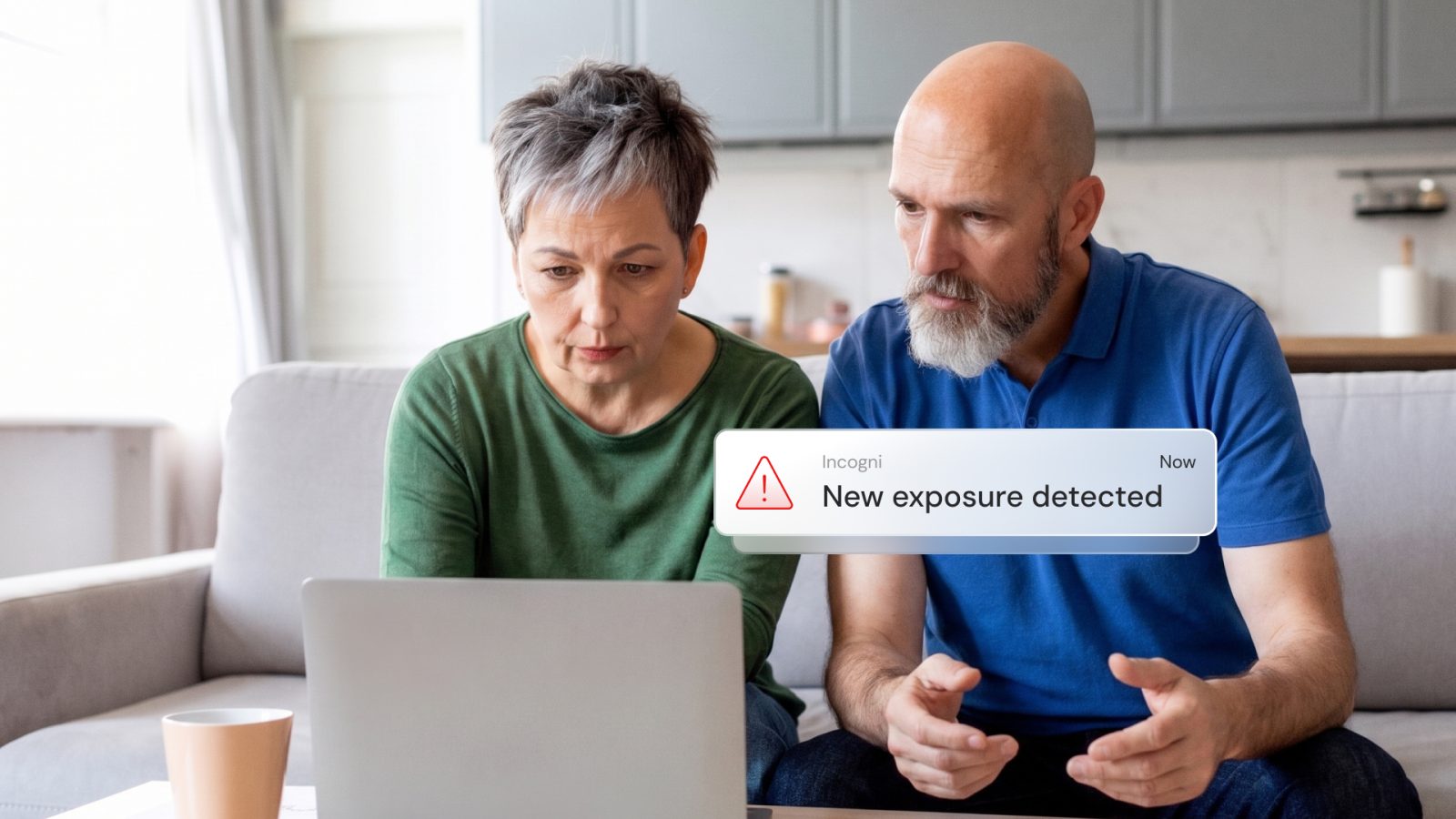
Elder fraud is rising – here’s how to protect your family
Elder fraud is increasingly powered by exposed personal data, with scammers using information from data brokers, public sources, and even family chats to execute highly convincing impersonation and SIM-swap attacks. For CIOs and technology leaders, the broader implication is that identity protection now depends as much on data minimization and mobile-account hardening as on encryption, and IT teams should treat SMS-based authentication as a material risk. Organizations should also expect more support and security incidents stemming from social engineering that blends stolen data, deepfake voice, and compromised communications channels.