ImportantSecurity & Privacy
Drone pilot makes US rescind no-fly zones around unmarked, moving ICE vehicles
The federal government's expansion of no-fly zones to include unmarked, moving Department of Homeland Security vehicles created an ambiguous and unenforceable policy that effectively criminalized drone operations across the country, forcing IT and technology-dependent organizations to reassess compliance risks and operational capabilities. This unprecedented 21-month restriction demonstrates how vague regulatory mandates can create liability exposure for enterprises using autonomous systems and create chilling effects on lawful technology use. Technology leaders must now evaluate how similar regulatory overreach could impact their own drone programs, IoT deployments, and compliance frameworks.
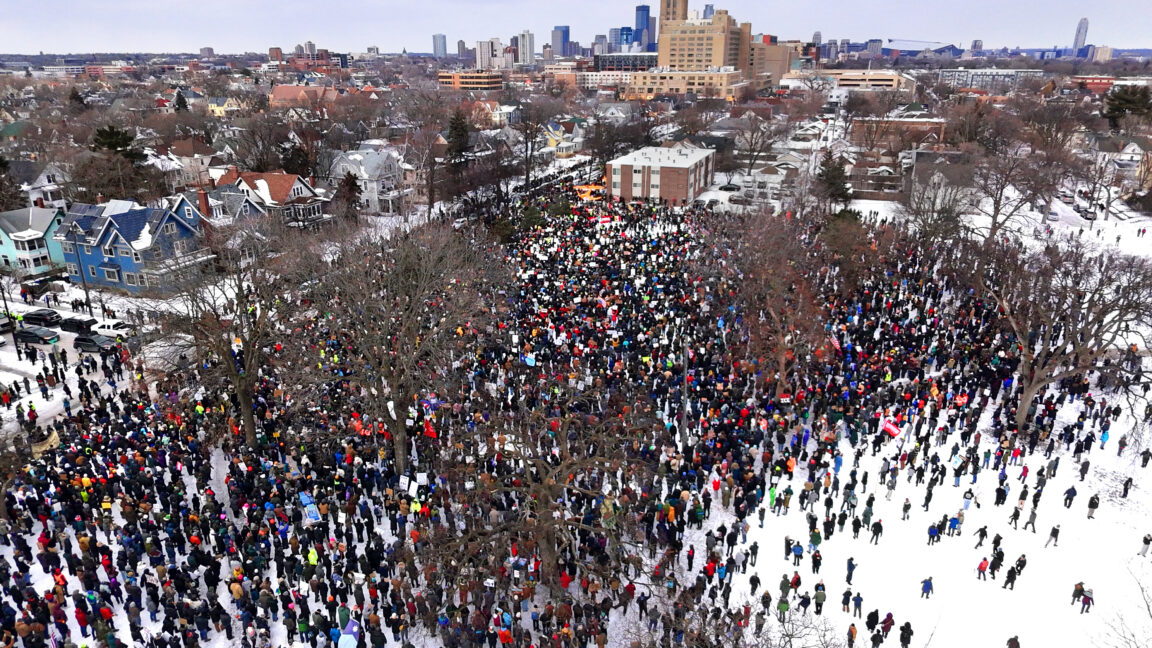
In January 2026, during the height of protests against immigration raids in Minneapolis, federal agents shot and killed 37-year-old Renee Good. Before even gathering all the facts, the Department of Homeland Security labeled the mother of three an “anti-ICE rioter” who “weaponized her vehicle against law enforcement” in an “act of domestic terrorism.” Days later, the feds announced a major expansion of “no-fly zones” in the name of national security. While such no-fly zones used to be about controlling aircraft, they now often focus on small drones. The expanded no-fly zones announced on January 16 prohibited such drones from flying within 3,000 lateral feet and 1,000 vertical feet of federal facilities. But for the first time, the order extended no-fly zones to ground vehicles belonging to the Department of Homeland Security. Even while the vehicles were in motion. Even if they were unmarked. And even if their routes had not been announced.Read full article Comments