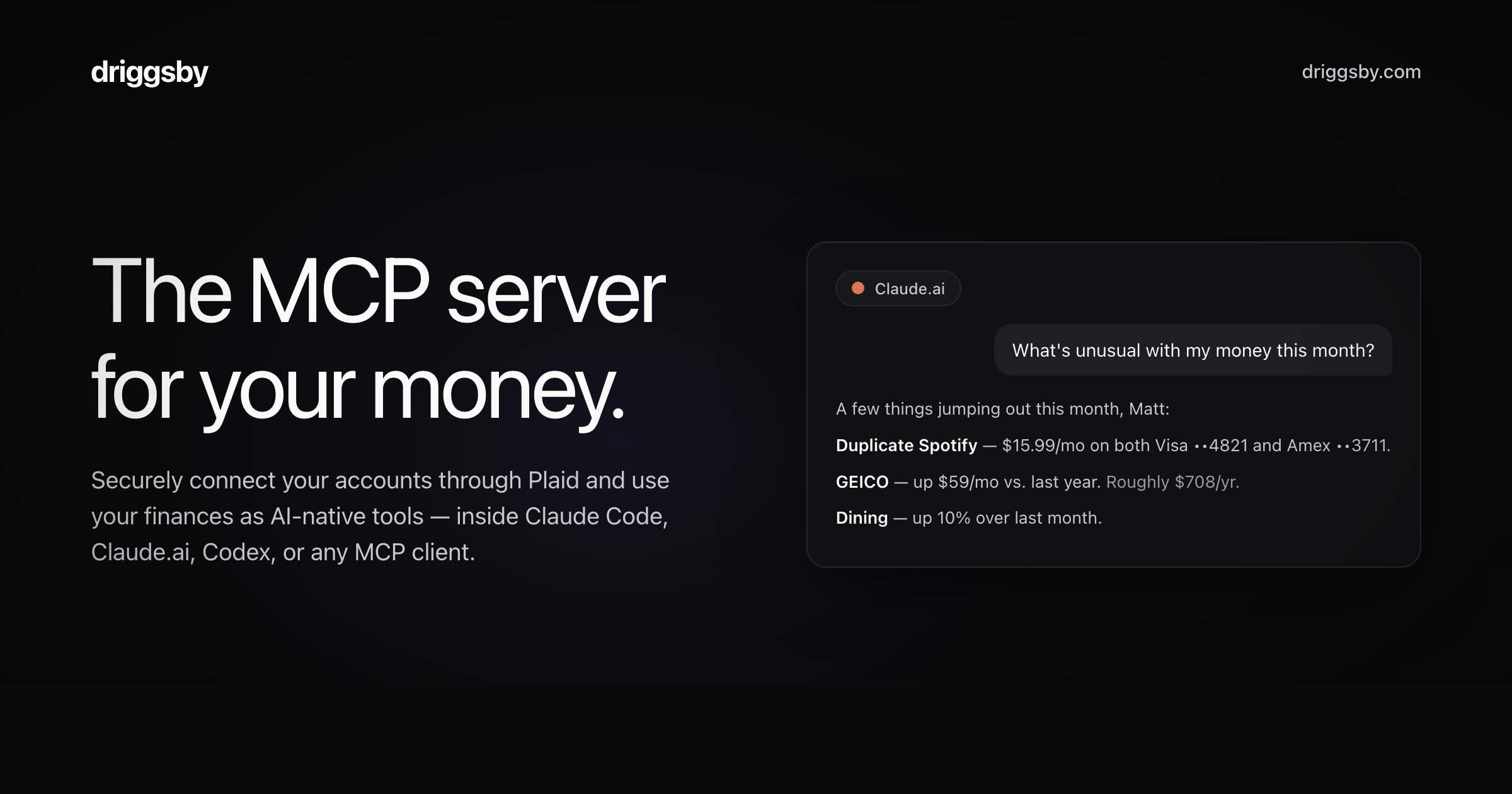
AI-powered financial monitoring agents are becoming operationally feasible for enterprises through simplified deployment platforms like Claude Code routines, which eliminate traditional infrastructure complexity and allow business users to configure sophisticated automation through natural language prompts rather than code. This shift enables IT organizations to move beyond manual financial oversight processes and unlock new use cases—such as anomaly detection, real-time account monitoring, and automated compliance workflows—while maintaining security through controlled tool access and audit trails. However, organizations must carefully architect MCP connectors, implement proper access controls, and establish governance frameworks to ensure these agents operate reliably at scale without creating support burdens or security vulnerabilities.
AI-powered financial monitoring agents are becoming operationally feasible for enterprises through simplified deployment platforms like Claude Code routines, which eliminate traditional infrastructure complexity and allow business users to configure sophisticated automation through natural language prompts rather than code. This shift enables IT organizations to move beyond manual financial oversight processes and unlock new use cases—such as anomaly detection, real-time account monitoring, and automated compliance workflows—while maintaining security through controlled tool access and audit trails. However, organizations must carefully architect MCP connectors, implement proper access controls, and establish governance frameworks to ensure these agents operate reliably at scale without creating support burdens or security vulnerabilities.