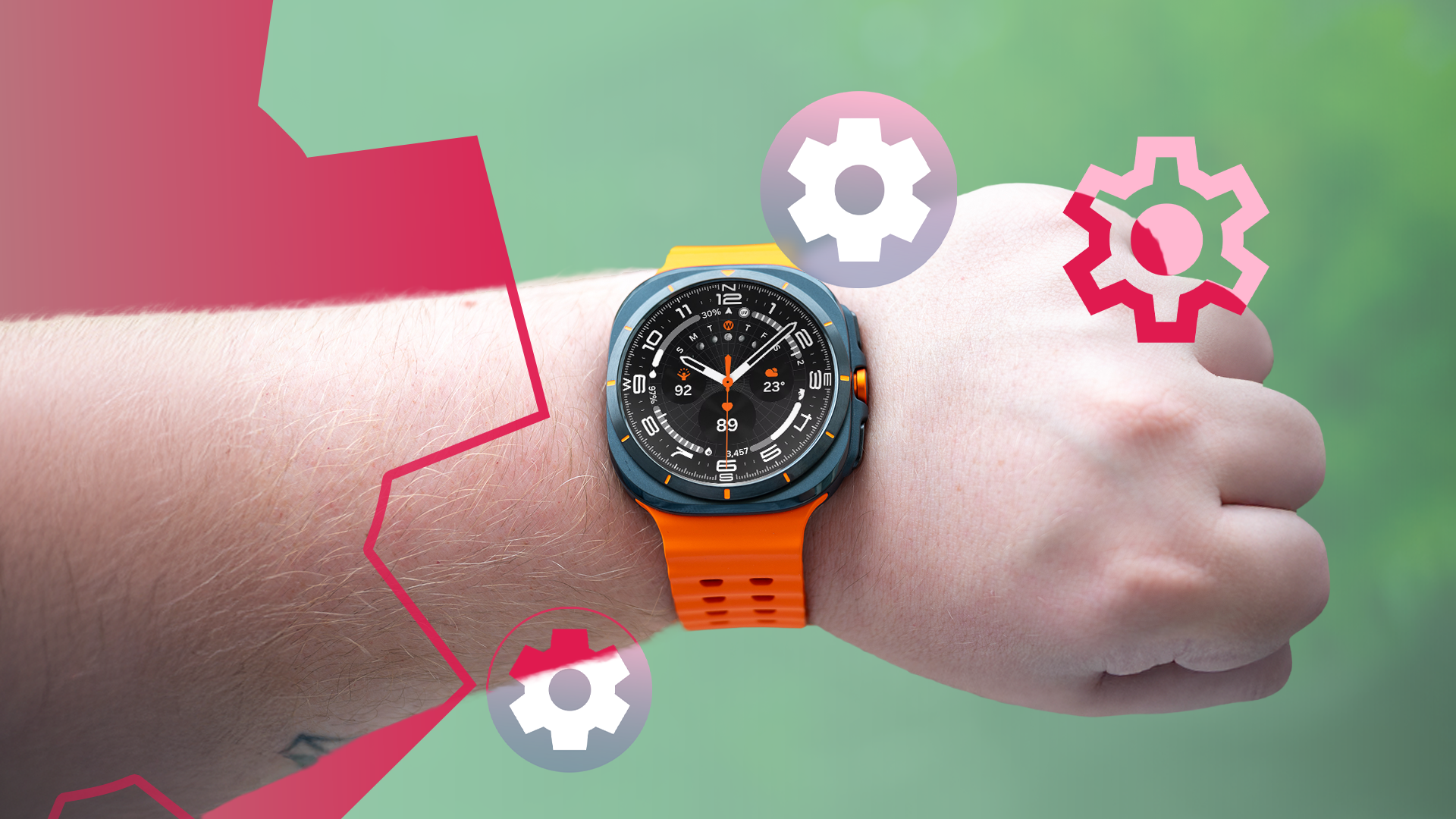
Why my Samsung Galaxy Watch finally feels useful after switching a single setting
Samsung Galaxy Watch usability improves dramatically by enabling Always-On Display (AOD) and disabling Raise-to-Wake, contrary to manufacturer recommendations, because modern watches use dedicated low-power processors for AOD while Raise-to-Wake unnecessarily activates the main CPU on false triggers. This configuration change challenges the industry's battery-optimization-first design philosophy and reveals that default smartwatch settings are prioritized for test results rather than real-world user experience, with minimal battery impact on newer models. For IT organizations managing wearable device deployments, this indicates that user satisfaction and adoption rates may suffer when devices ship with counterintuitive defaults, suggesting the need for configuration guidance and change management when rolling out wearables to enterprise users.