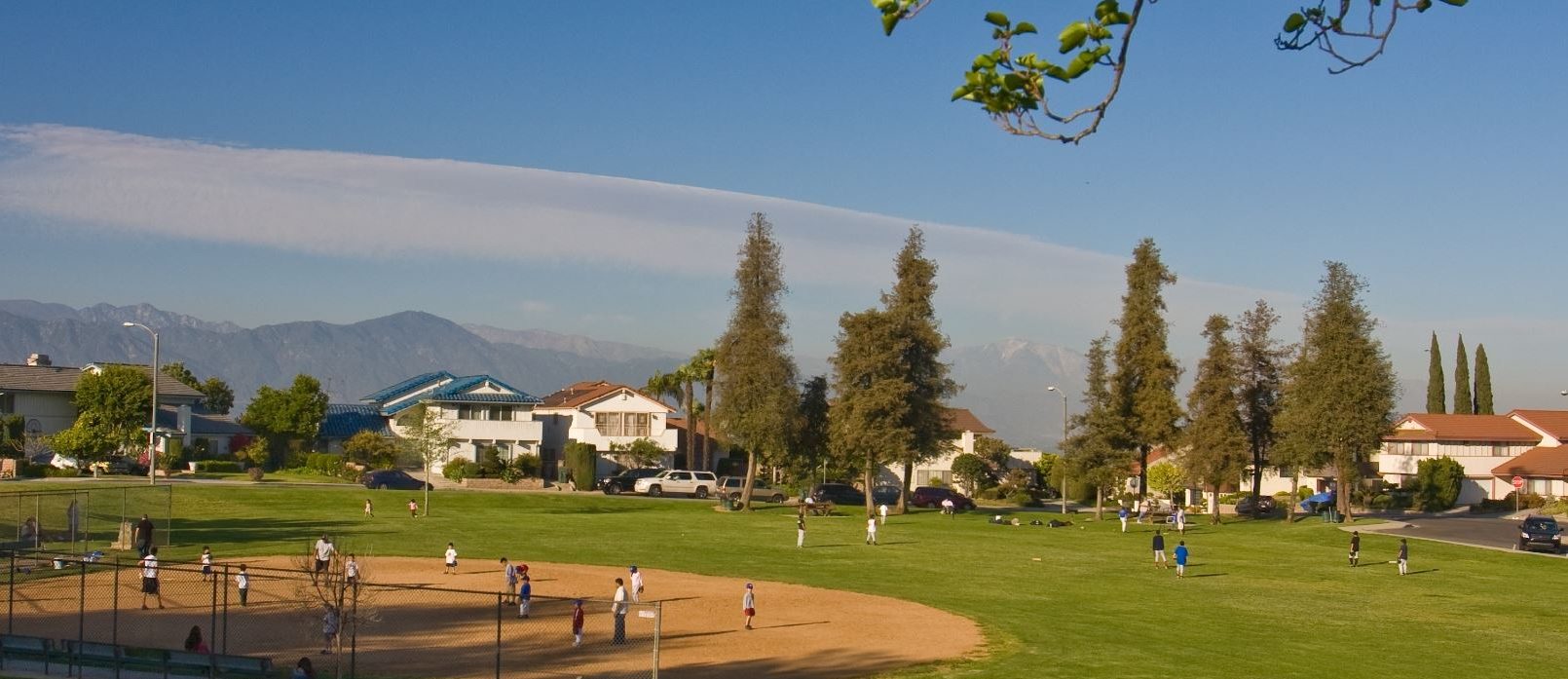
Community organizers in Monterey Park successfully blocked a 250,000-square-foot data center proposed near residential areas by leveraging public records requests, multilingual community engagement, and transparent communication about infrastructure impacts—demonstrating that grassroots opposition can overcome well-funded developer campaigns. For IT leaders, this case highlights growing community resistance to data center expansion driven by legitimate concerns about energy consumption (2x the city's usage), diesel emissions (200,000 gallons annually), noise pollution, and inadequate public notification processes. Organizations planning data center infrastructure must now expect heightened community scrutiny and should proactively address environmental and quality-of-life impacts through transparent stakeholder engagement, as regulatory and reputational risks are increasing.
Community organizers in Monterey Park successfully blocked a 250,000-square-foot data center proposed near residential areas by leveraging public records requests, multilingual community engagement, and transparent communication about infrastructure impacts—demonstrating that grassroots opposition can overcome well-funded developer campaigns. For IT leaders, this case highlights growing community resistance to data center expansion driven by legitimate concerns about energy consumption (2x the city's usage), diesel emissions (200,000 gallons annually), noise pollution, and inadequate public notification processes. Organizations planning data center infrastructure must now expect heightened community scrutiny and should proactively address environmental and quality-of-life impacts through transparent stakeholder engagement, as regulatory and reputational risks are increasing.