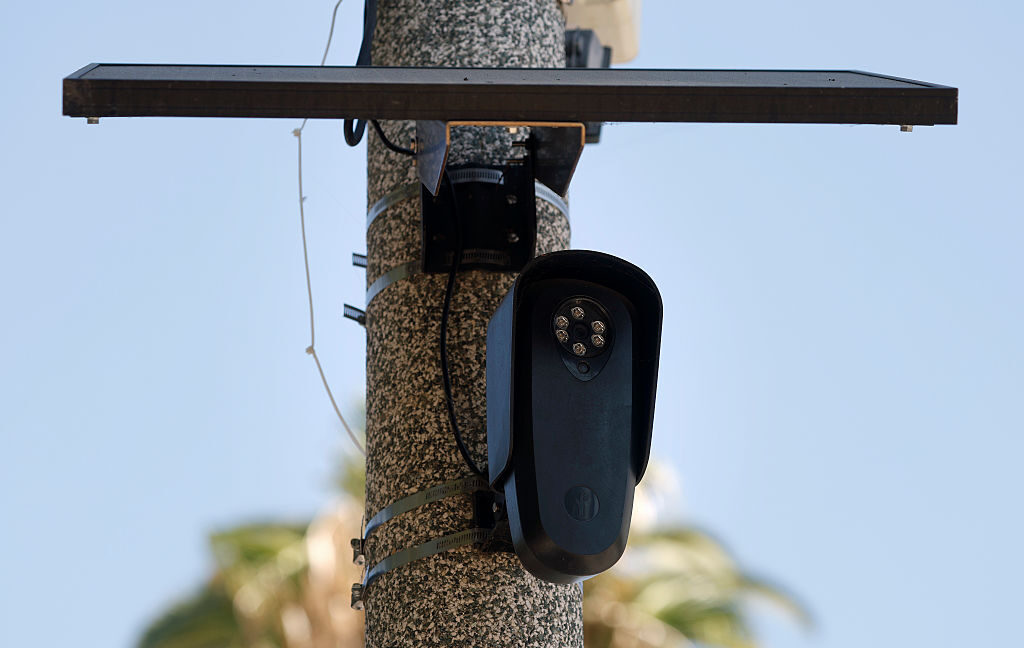
Flock “can’t tech its way out” of the stalker cop problem, experts say
Flock's mandatory abuse-detection tool for license plate reader access attempts to address widespread stalker cop incidents, but cybersecurity and civil liberties experts warn the technical controls are insufficient without organizational accountability and transparency—raising critical questions about whether IT-enabled governance can truly prevent determined bad actors from circumventing security measures. For IT leaders, this case exemplifies a fundamental business risk: when core systems enable sensitive surveillance capabilities across thousands of agencies, inadequate access controls and audit mechanisms create both legal liability and reputational damage that no amount of technical patching can fully mitigate. The expansion of these systems to 40% of U.S. police departments underscores that technology governance frameworks must integrate mandatory third-party audits, transparency requirements, and enforcement mechanisms beyond self-reporting to be credible and effective.
On Thursday, Flock announced plans to require all agencies with access to license plate reader data to use a safety tool that automatically detects abnormal activity and locks out cops who abuse their access to stalk people they know in their personal lives. Flock’s audit assistance tool suspends access when user activity “meets defined criteria for abnormal behavior,” Flock said. The suspension can only be lifted by administrator review, with the goal being “to intervene before misuse becomes recurring or widespread.” The tech has been available as an optional free feature since April, but only a third of agencies had opted in, Flock said. However, after a single Georgia sheriff’s office used the tool and subsequently arrested three cops who were separately using Flock cameras to stalk acquaintances, Flock CEO Garrett Langley told The Verge that dozens of incidents like these helped his company realize they made a mistake and had to act to correct it.Read full article Comments