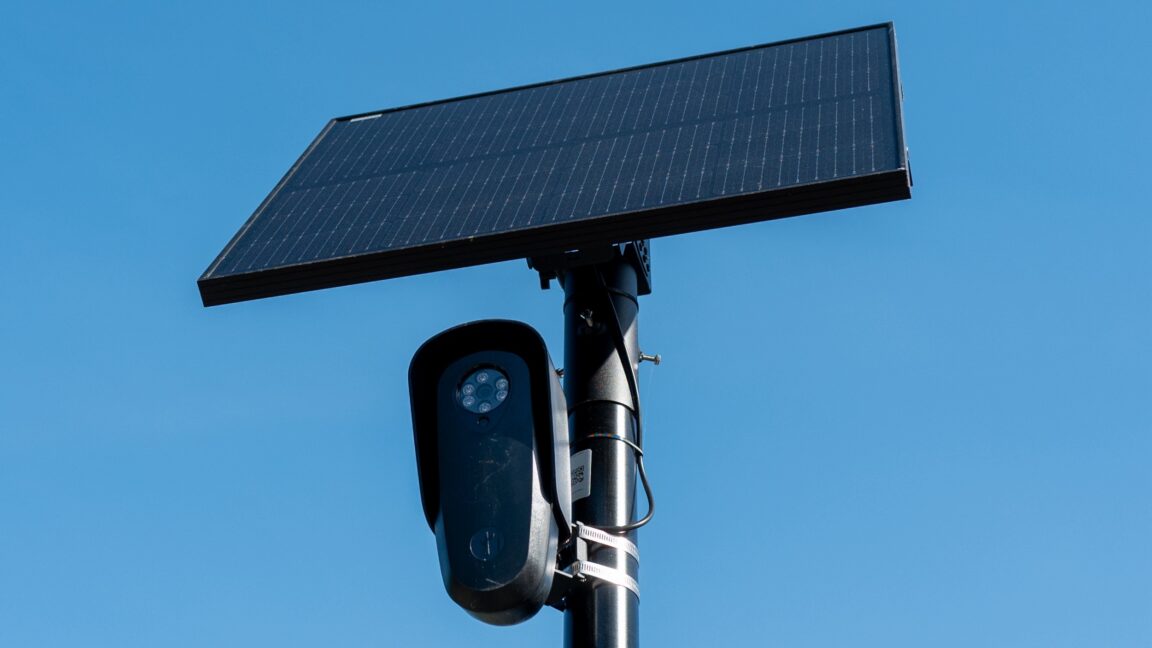
New surveillance tech links your phone to your license plate
New surveillance technology (SignalTrace) can link personal devices to vehicles and track movement patterns without initially identifying individuals, creating significant privacy risks and potential Fourth Amendment concerns for IT organizations managing enterprise mobility and data governance. The system's ability to re-identify supposedly anonymous movement data through association with license plates and other records means that device signals previously considered non-identifying can effectively track individuals and their relationships, raising critical questions about corporate responsibility in a surveillance ecosystem. IT leaders must urgently assess their organization's exposure to this technology, evaluate device security protocols, and prepare for potential regulatory and legal implications around employee and customer location data.
Imagine that you share a ride to work with the same colleague most mornings. As it passes by a license plate reader, the camera records the car, which can be linked through vehicle records to its registered owner. Beside it, another sensor detects signals broadcast by devices traveling nearby, such as your phone and your colleague’s smartwatch. After enough trips, software may treat some of those devices as a recurring electronic signature associated with the vehicle. Weeks later, one of the same device signals appears alongside a different car connected to an investigation. The signal itself may not contain its owner’s name, but its previous association with a known vehicle gives investigators another clue they can use to work out who was carrying the device. SignalTrace, a system marketed by the security company Leonardo, is designed to work alongside automatic license plate readers. The company says it can recognize groups of consumer devices that regularly move together, then associate them with license plate records and time-stamped locations. The pattern can then be searched even when a police investigator does not know the plate number.Read full article Comments