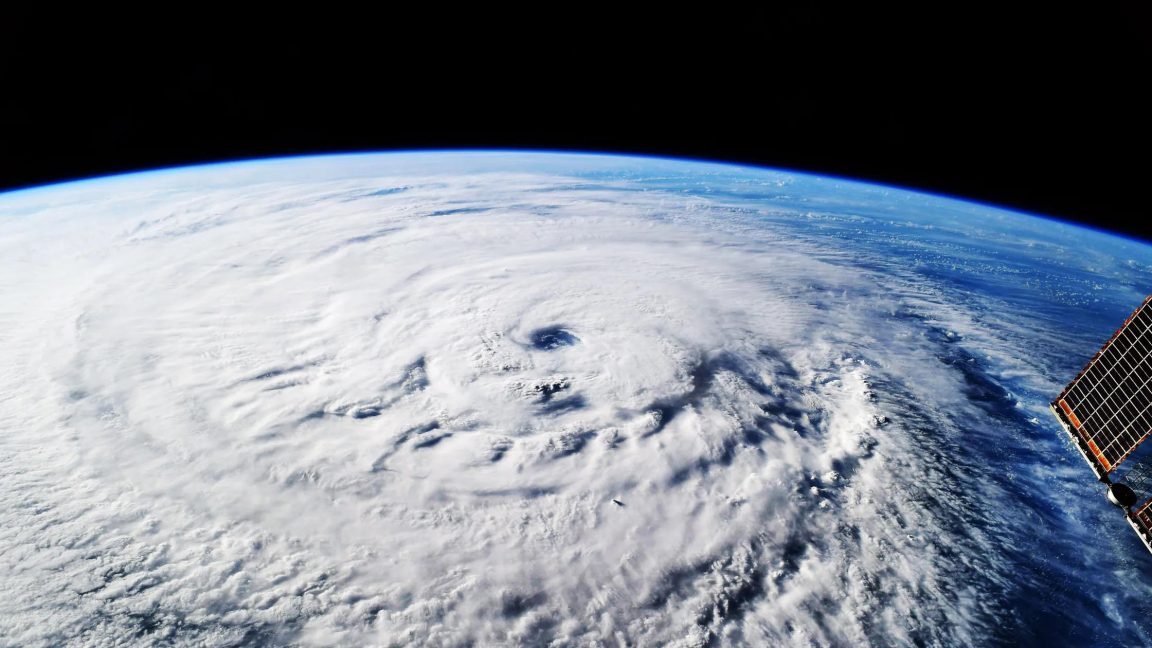
DeepMind’s hurricane breakthrough has surprised weather scientists
Google DeepMind's WeatherNext AI model has achieved breakthrough accuracy in hurricane forecasting, providing forecasters with up to one additional day of warning time—a capability that traditionally takes a decade to develop through conventional modeling improvements. This advance has significant implications for IT infrastructure, data processing, and AI/ML capabilities, as organizations must invest in computational resources to run ensemble scenarios (1,000 per storm) and integrate AI predictions into operational decision-support systems. For CIOs, this represents both an opportunity to modernize disaster response infrastructure through AI-driven analytics and a requirement to establish governance frameworks around AI transparency, since the model's underlying mechanisms remain unexplained despite superior performance.
In October 2025, a storm brewed over the Caribbean Sea. Weather models differed on its trajectory. Would it remain weak and end up in Haiti, or would it intensify and head to Jamaica? Artificial intelligence model WeatherNext, developed by Google’s DeepMind and Google Research, went with the latter. Five days before landfall, it predicted with 80 percent confidence that the storm system would hit Jamaica as a Category 5 hurricane. Hurricane Melissa was catastrophic, causing flooding and landslides across Jamaica. But the AI model helped forecasters give an earlier warning to communities in its path, so they could better prepare. In a paper published on Thursday in Nature, researchers show that the WeatherNext AI model can predict cyclones with unprecedented accuracy. On average, it gives forecasters a day more lead time than existing models; this means its predictions three days out are as accurate as previous models’ predictions two days out. On the ground, that extra day can mean a lot.Read full article Comments