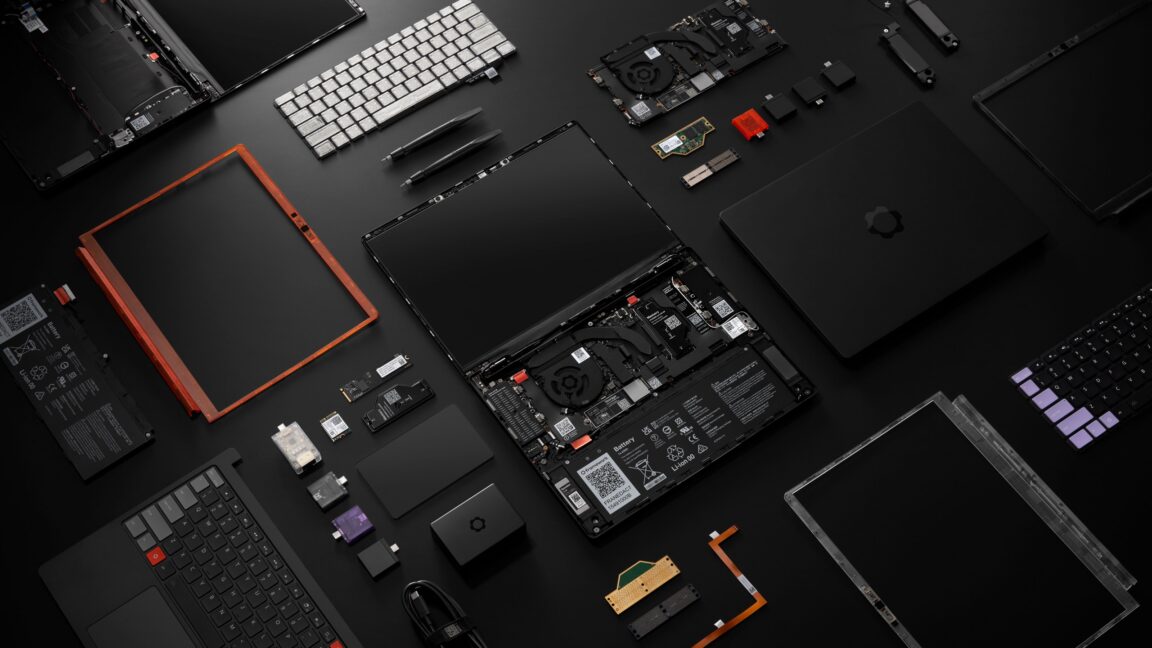
Framework Laptop 13 Pro is a major overhaul for the modular, upgradeable laptop
Framework's new Laptop 13 Pro represents a significant shift toward performance and sustainability through a ground-up redesign featuring 21% larger battery capacity, first touchscreen, and new Core Ultra processors—while maintaining strategic modularity for displays and motherboards to preserve ecosystem value. However, the transition to LPCAMM2 memory and redesigned chassis breaks backward compatibility with previous models, requiring organizations to address RAM procurement challenges and plan migration strategies for existing deployments. This creates both an opportunity to extend device lifecycles through modular upgrades and a complexity management burden for IT teams evaluating total cost of ownership across generational transitions.
Framework has been selling and shipping its modular, repairable, upgradable Laptop 13 for five years now, and in that time, it has released six distinct versions of its system board, each using fresh versions of Intel and AMD processors (seven versions, if you count this RISC-V one). The laptop around those components has gradually gotten better, too. Over the years, Framework has added higher-resolution screens in both matte and glossy finishes, a slightly larger battery, and other tweaked components that refine the original design. But so far, all of those parts have been totally interchangeable, and the fundamentals of the Laptop 13 design haven’t changed much. That changes today with the Framework Laptop 13 Pro, which, despite its name, is less an offshoot of the original Laptop 13 and closer to a ground-up redesign. It includes new Core Ultra Series 3 chips (codenamed Panther Lake), Framework’s first touchscreen, a new black aluminum color option, a larger battery, and other significant changes.Read full article Comments