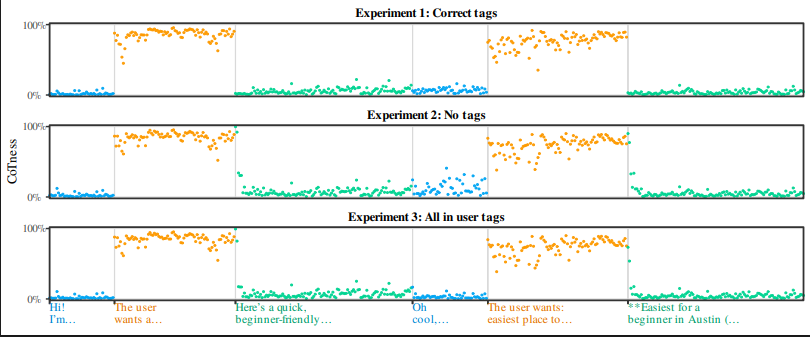
Prompt injection attacks exploit fundamental vulnerabilities in how large language models distinguish between different information sources, stemming from their inability to differentiate their own reasoning from user input or external data in the token stream. Role tags (system, user, think, tool) were designed as discrete control mechanisms to impose structure on LLM processing, but they have become overloaded with conflicting responsibilities and frequently fail to enforce their intended trust boundaries, creating a critical security gap for AI-powered applications. Organizations deploying agentic AI systems face significant risk until role-based access controls are redesigned with proper semantic separation, requiring immediate investment in understanding and hardening how LLMs interpret role boundaries.
Prompt injection attacks exploit fundamental vulnerabilities in how large language models distinguish between different information sources, stemming from their inability to differentiate their own reasoning from user input or external data in the token stream. Role tags (system, user, think, tool) were designed as discrete control mechanisms to impose structure on LLM processing, but they have become overloaded with conflicting responsibilities and frequently fail to enforce their intended trust boundaries, creating a critical security gap for AI-powered applications. Organizations deploying agentic AI systems face significant risk until role-based access controls are redesigned with proper semantic separation, requiring immediate investment in understanding and hardening how LLMs interpret role boundaries.